Choose the position first
Start by checking the permitted viewing area and any species-specific distance requirements. NPS wildlife guidance recommends giving animals space. Choose a stable viewpoint before composing the photograph, and accept that some sightings will not produce a close image. The camera should record the encounter you can responsibly have. An unobstructed view in the distance can say more about a landscape than a tightly cropped image achieved by pushing beyond appropriate access or proximity.
Build a wider frame
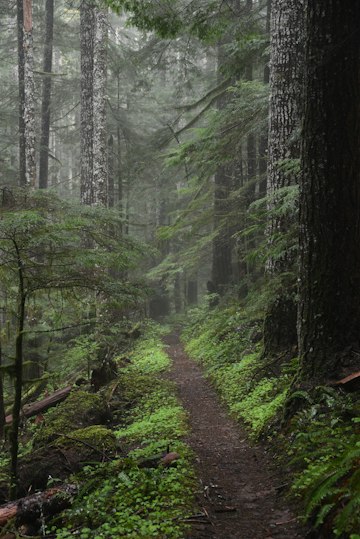
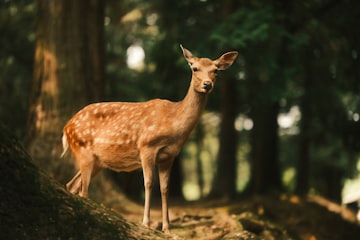
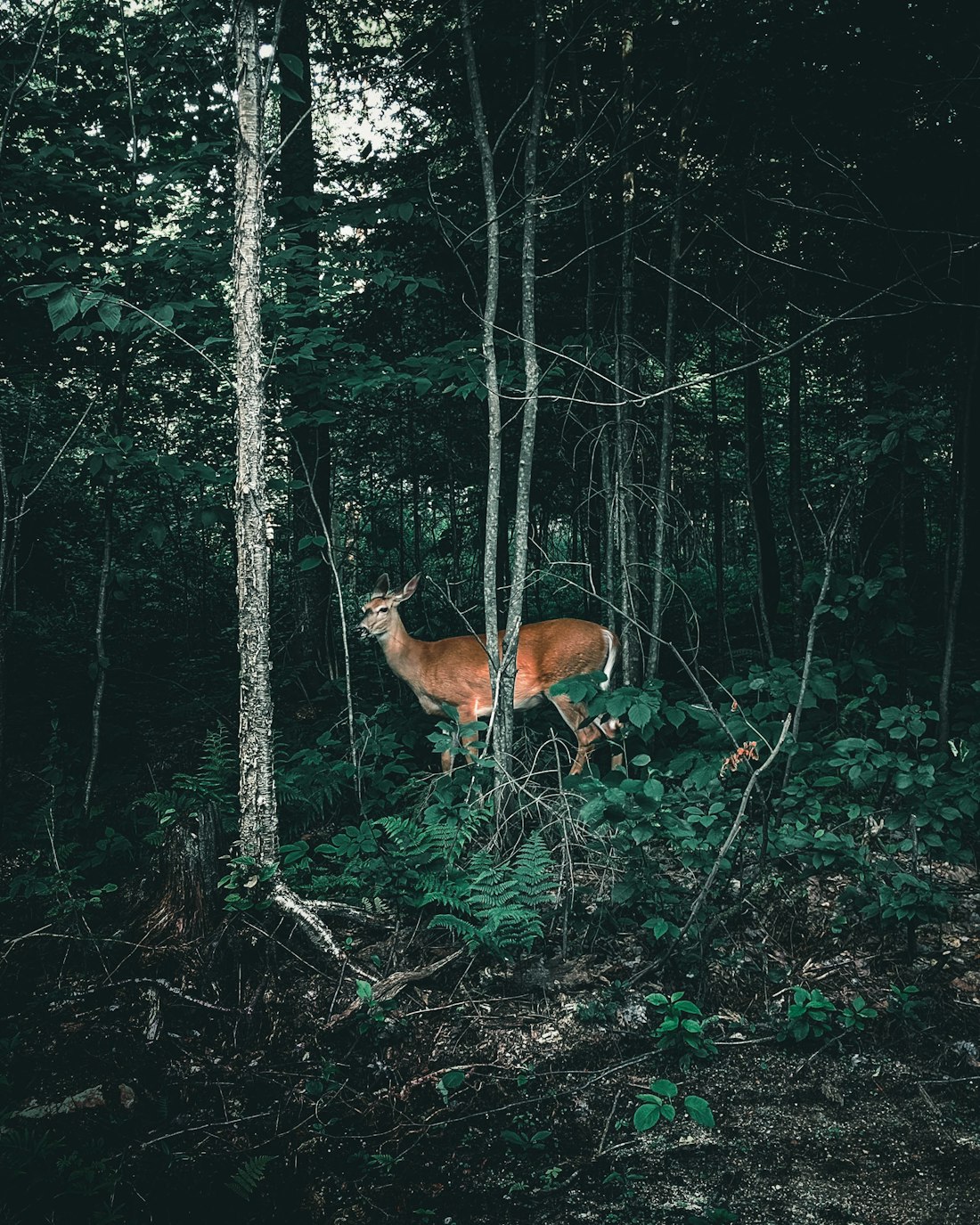
Use the surrounding vegetation, light and landform as part of the composition. A distant animal can be one small element rather than the whole subject. Try a frame without the animal as well; that encourages attention to the place instead of a pursuit of proximity. Avoid attracting wildlife with food or interfering with its behavior for a cleaner picture. If other visitors are present, leave them room and avoid turning the viewpoint into a private studio.
Caption only what the picture supports
Write a caption that distinguishes the visible scene from your interpretation. Do not claim that the animal was undisturbed simply because it remained in the frame. Avoid sharing exact locations of sensitive wildlife. At home, compare the image with your notes about distance and position. A technically modest picture can be an honest, useful record. The photography lesson is learning to work within the encounter rather than treating a longer approach as the solution to every limitation.
National Park Service: 7 Ways to Safely Watch Wildlife ↗
This article combines general educational guidance with original planning exercises. It does not claim first-hand field testing or an endorsement from the linked organization. Sources checked October 2026.