
· Gear & care
A headlamp check that happens in daylight
Learn the controls and storage routine before illumination becomes urgent.
The outdoor journal
42 articles from Field & Trail.
Learn the controls and storage routine before illumination becomes urgent.
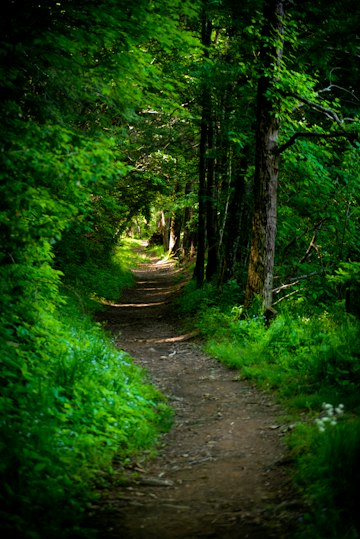
A shelter decision belongs in the itinerary, not in a hurried debate outdoors.
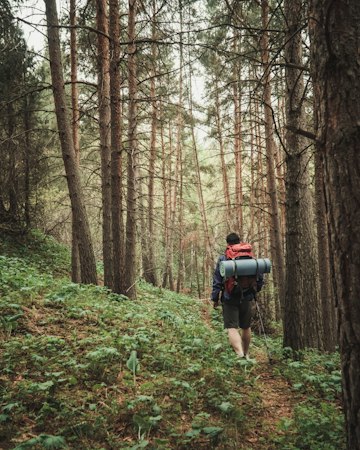
The small print around the map is part of the navigation information.
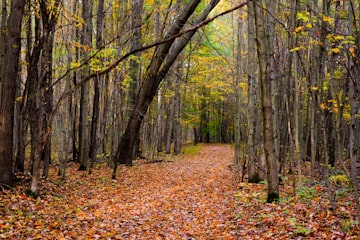
A pair of visits can sharpen a question even when it cannot establish a reliable trend.
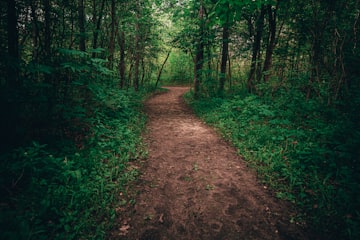
Recognize when preserving the route means saving the walk for another day.
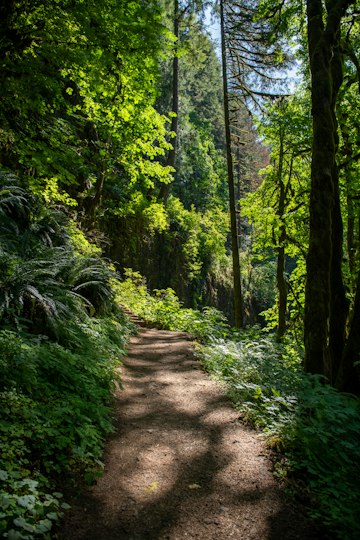
Use specific observations to decide whether footwear needs care, a repair or professional advice.
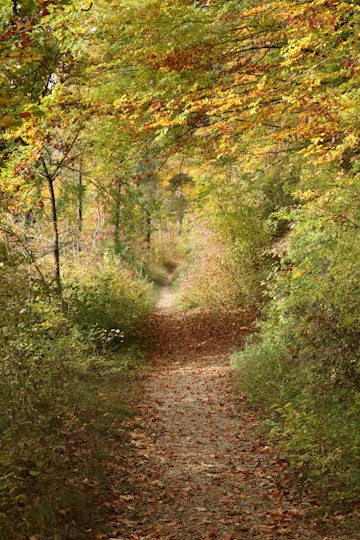
Choose where to rest without blocking a path or turning fragile ground into a seat.

Distance to the woods is only one part of a workable arrival.
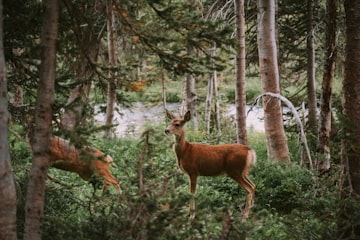
Record the conditions that explain a day, without turning the day into paperwork.
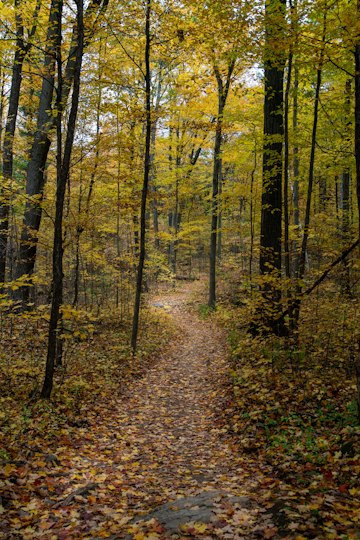
Make a place for the scraps that otherwise disappear into jacket pockets.
A beginner-friendly way to turn a route display into an understanding of the landscape.
Arrange ordinary field essentials so you can reach them with the clothing you actually wear.
Think in changing effort levels rather than searching for one perfect jacket.
Turn a vague route note into a useful sequence of landmarks.
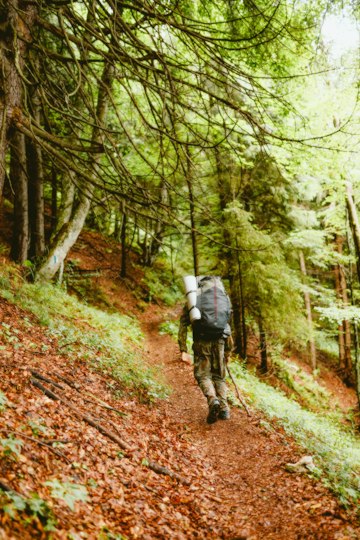
A hunting preparation walk can coexist thoughtfully with walkers, riders and other permitted visitors.
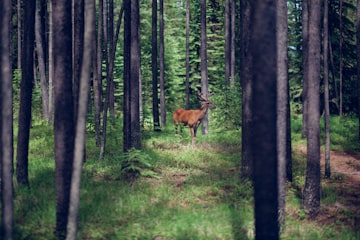
A quiet, practical system for planning the route, checking access and knowing when to turn back.

A viewing position should not become a reason to block a route or press closer.
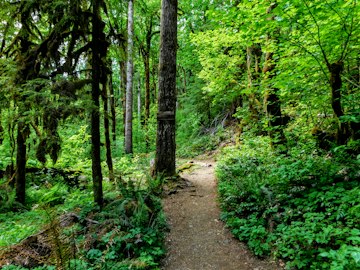
Give a legal observation walk a clear purpose and an honest stopping point.
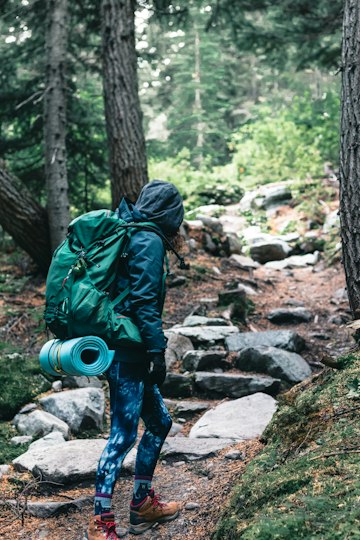
Compare the visible landscape over time without needing to approach wildlife or leave the path.
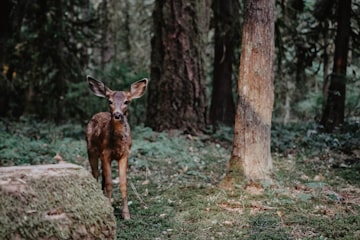
Map the actual power needs of lights and communication equipment before adding another cable.
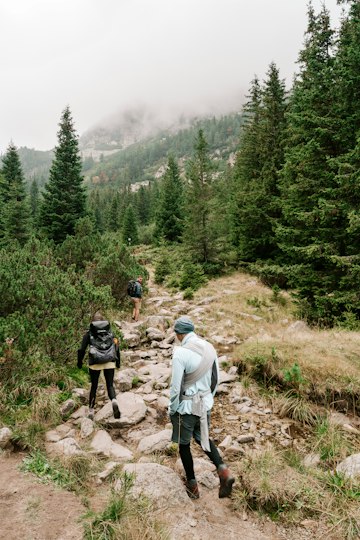
Prepare the break as carefully as the walk so food and packaging do not scatter.

Connect the forecast to practical choices while those choices are still easy.
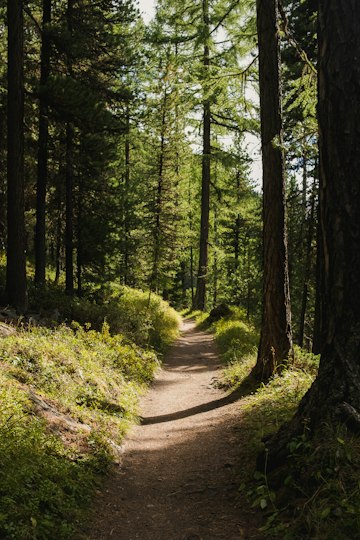
Study a transition in the landscape without turning a brief sighting into a rule about wildlife.
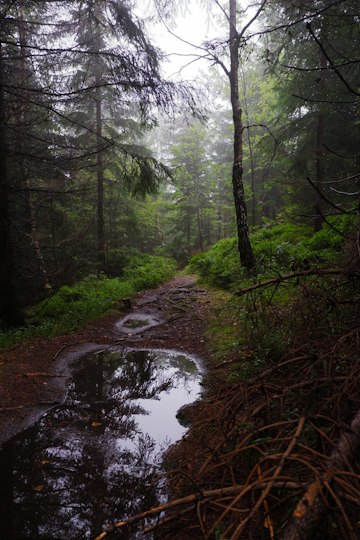
Private land with public access is a specific arrangement to understand, not a general invitation.
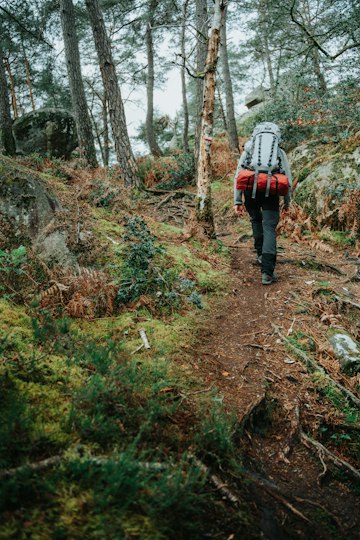
Protect the reserve clothing you might need when the pace changes or the day runs late.
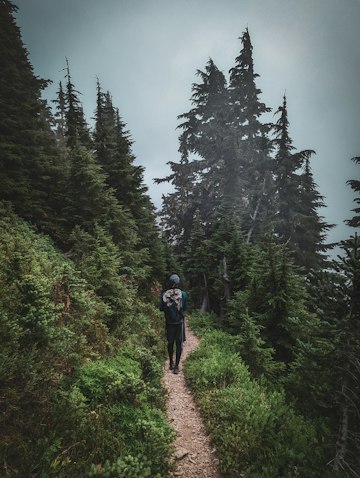
A check-in arrangement needs clear information and a shared understanding of overdue action.
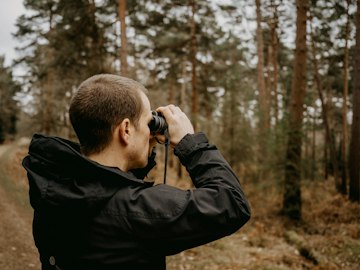
A loan works better when the borrower understands the controls, condition and return expectations.
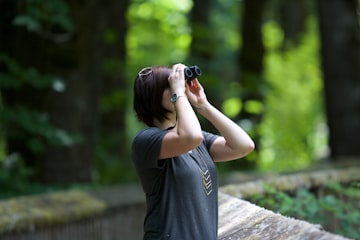
A planned early finish is easier to choose than an improvised escape from an overlong outing.

A drawing can preserve the question while leaving the object where it belongs.
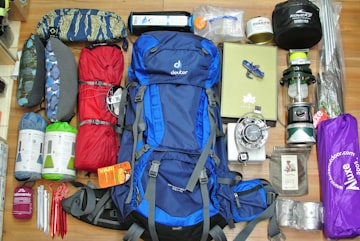
Give damp field equipment somewhere appropriate to go before it comes home.
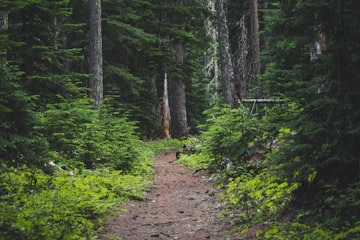
Keep permission, boundaries and practical arrival details together without confusing an old note with current authorization.
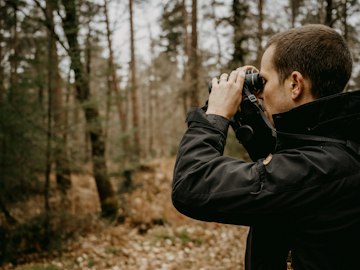
Translate vague reassurance into details a first-time companion can use.
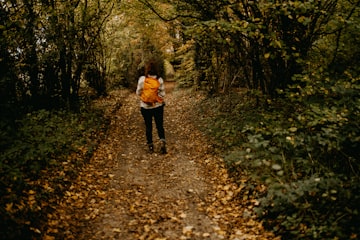
Share useful observations while protecting sensitive locations and private arrangements.
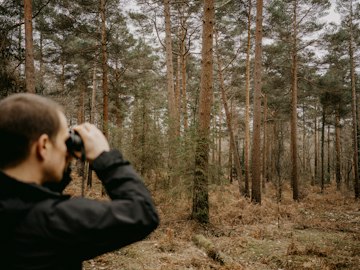
Observation should fit the opening that exists rather than changing the vegetation around it.
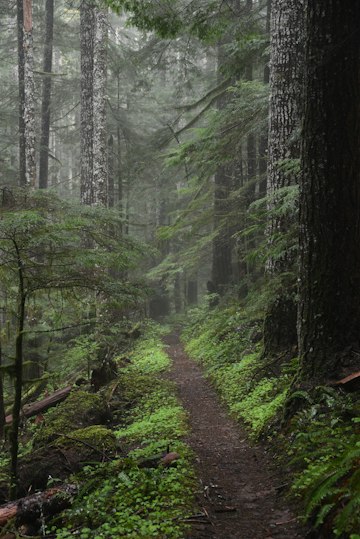
A stationary listening exercise improves attention while keeping observation bounded.
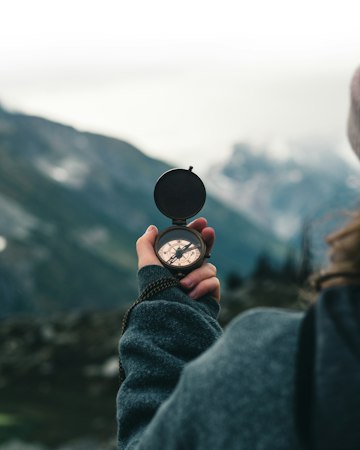
Use a map’s north information as a reason to learn, not a detail to skip.
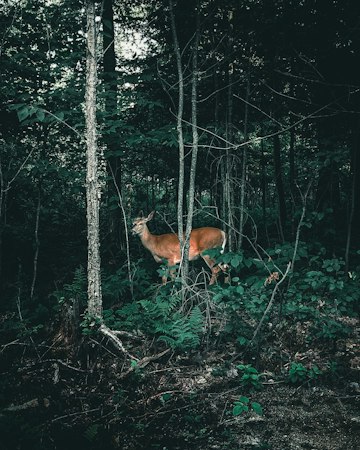
Make a picture from the position the place allows, even when the animal stays small in the frame.
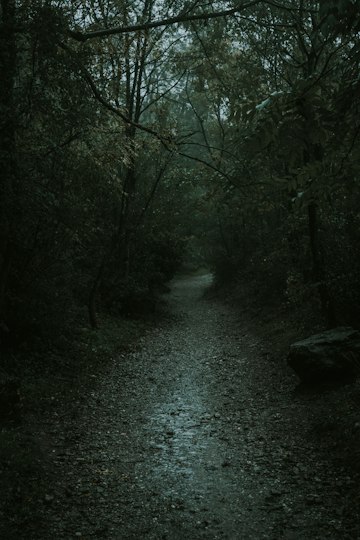
A familiar destination does not justify crossing water on the way there.
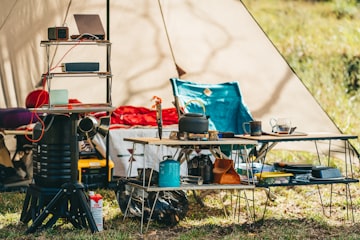
Clean, inspect and simplify before making a replacement list.
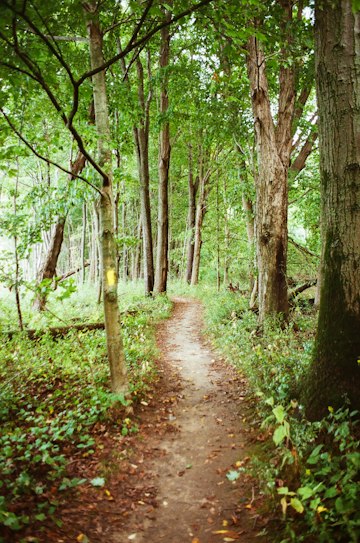
Keep your private route notes clear without building signs into the landscape.
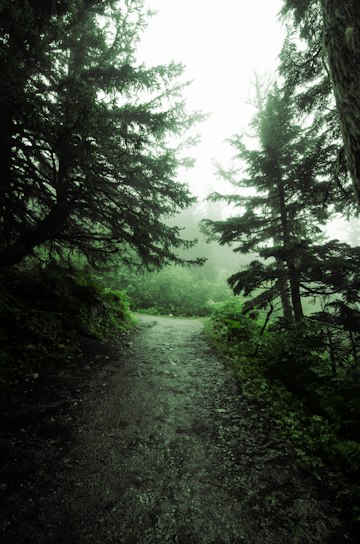
Practise measuring a familiar route before turning a screen distance into an outing estimate.
A short familiarization session makes an observation tool easier to use without fiddling in the field.