Start with the reader’s need
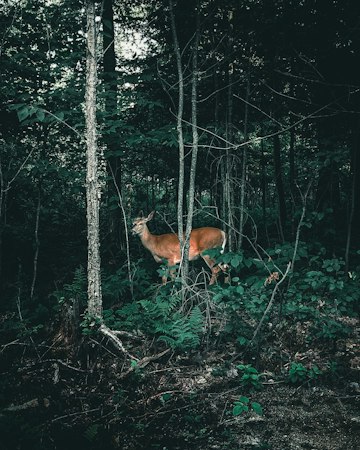
Decide what the report is meant to help someone understand: a packing lesson, a navigation exercise or a change in your planning. Exact coordinates rarely explain those lessons. Leave No Trace’s respect-wildlife principle calls for avoiding disturbance during sensitive periods. Treat location detail as an editorial choice with possible consequences, especially around nesting, resting or concentrated wildlife. You can describe the habitat in broad terms without giving readers a route to a particular animal.
Check photographs as well as prose
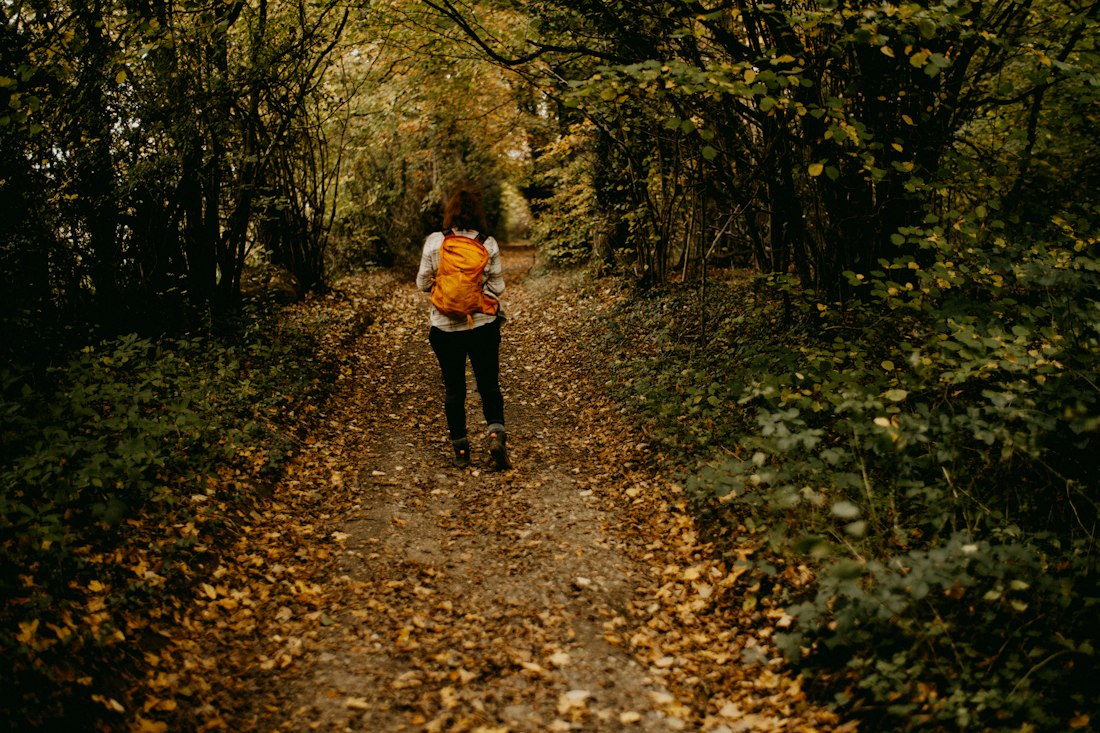
Look for private names, permit documents, recognizable entrances and location information embedded in files or captions. Review the visible background before publishing. Avoid claiming that removing a written place name makes an image anonymous. If an image cannot be shared responsibly, select another one. Ask companions before using identifiable photographs of them, and do not publish someone’s private permission arrangement as if it were an invitation available to everyone who reads the report.
Keep the complete record private
Your own notebook can retain the information needed to understand the outing, stored appropriately. Build the public account from that record rather than deleting context from the only copy. Clearly label uncertainty and avoid describing an old observation as current conditions. Before sharing, ask whether each precise detail serves the stated lesson. A useful field report is selective and honest. It does not need a dramatic location reveal to explain why a small change made the outing better organized.
Leave No Trace: Respect Wildlife ↗
This article combines general educational guidance with original planning exercises. It does not claim first-hand field testing or an endorsement from the linked organization. Sources checked October 2026.