Write the approach first
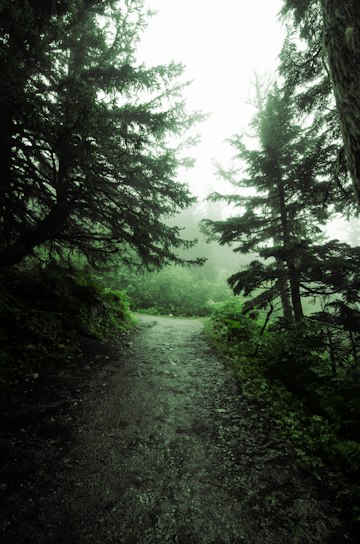
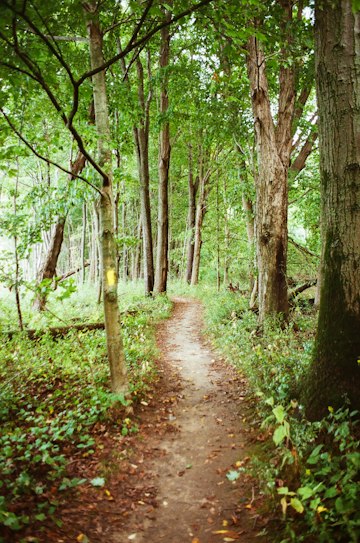
Choose a junction on a familiar, permitted route and describe it as someone would encounter it. Name the direction of approach using features you can establish, rather than “left” without context. A topographic map represents terrain and mapped features; compare that representation with your observation instead of assuming every path is shown. Write what appears before the decision point. An ordinary bridge or signed entrance may be a better prompt than a distinctive tree whose appearance changes through the year.
Describe the decision in plain words
Record the signed destination or established route identifier where available. Keep a photograph as a supplement, not the whole instruction. Include the possibility that the sign could be missing, obscured or changed. Avoid giving someone a confident shortcut through uncertain access. If the junction cannot be described without relying on a temporary object, mark the note as needing another reference. A useful route description acknowledges where its recognition method could fail.
Add a confirmation after the turn
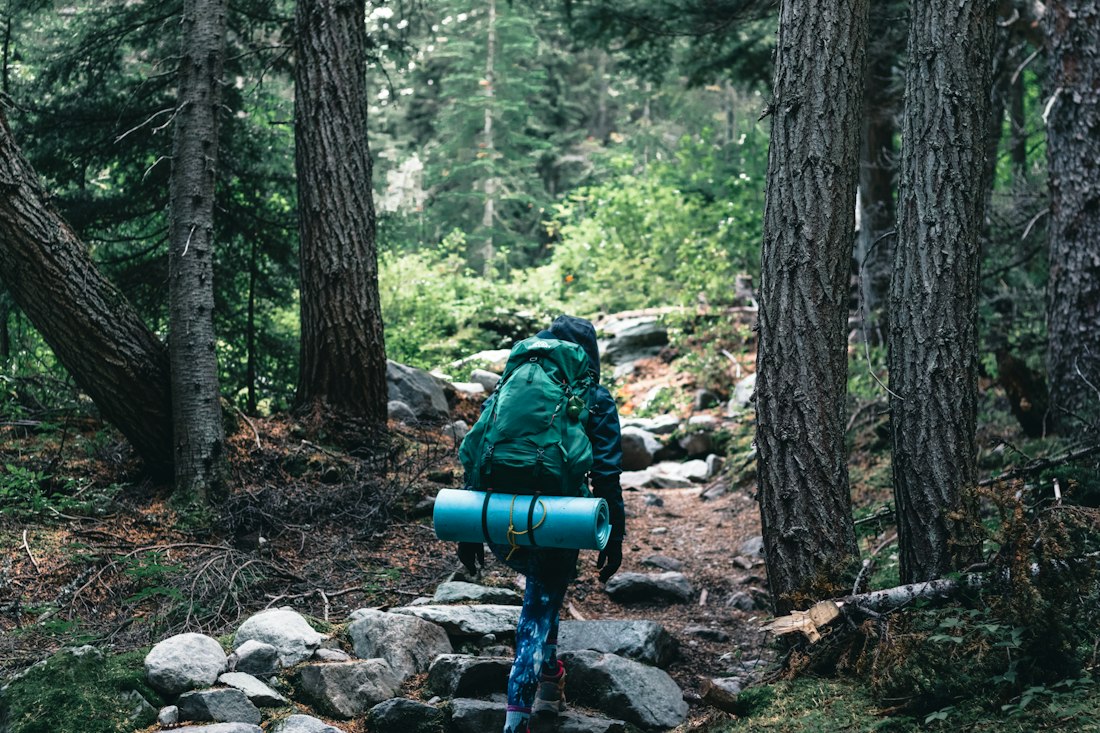
Identify an appropriate feature expected soon after the choice, and what you would do if it did not appear. Practise the description on a short familiar walk with someone who knows the area. Ask what they understood, rather than asking whether the note sounds good. Revise ambiguous wording and retain the date of the observation. The goal is a clear sequence that supports attention to the landscape. It should never encourage someone to continue through confusion just because the note sounded authoritative.
U.S. Geological Survey: What is a topographic map? ↗
This article combines general educational guidance with original planning exercises. It does not claim first-hand field testing or an endorsement from the linked organization. Sources checked October 2026.