Choose a place you can revisit responsibly
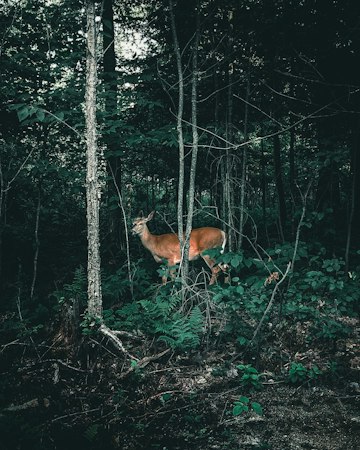
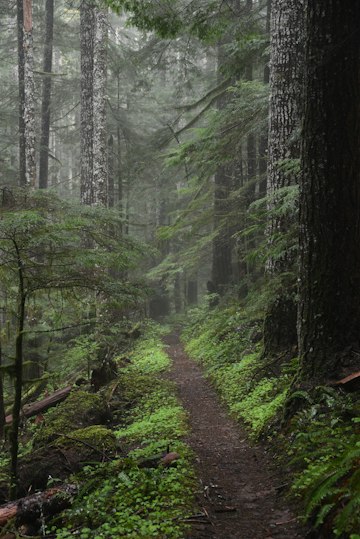
Select a permitted viewpoint with stable access and room to pause without blocking others. Check current arrangements each time rather than treating a previous visit as lasting permission. NPS wildlife advice favors watching from an appropriate distance. Build the project around the landscape available from that position. Do not choose a nest, den or other sensitive location as the reason for repeat visits. A change in foliage or light offers a worthwhile subject without creating pressure to monitor animals closely.
Record the view and its limitations
Use a consistent framing cue, such as a distant ridge or an established sign, but allow for changes in access or visibility. Note the approximate time, weather you observed and whether vegetation concealed part of the scene. Take a simple photograph if appropriate and add a short written description. A picture alone may not show why you stood farther back or why you ended the visit. Keep those practical differences beside the image before comparing it with another date.
Compare a small set of features
After several visits, choose a few visible elements: the amount of sky between branches, the color of a vegetation patch or the clarity of a distant edge. Describe changes without assigning causes you cannot establish. Do not turn a personal photo series into a scientific claim about climate or wildlife abundance. The project’s value is repeated attention. It can help you understand how visibility and your own expectations change through the year while leaving the place undisturbed.
National Park Service: 7 Ways to Safely Watch Wildlife ↗
This article combines general educational guidance with original planning exercises. It does not claim first-hand field testing or an endorsement from the linked organization. Sources checked October 2026.