Choose a question you can answer
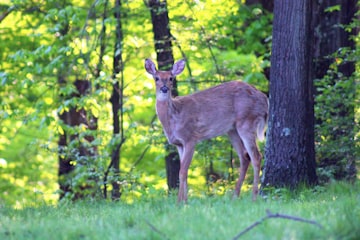
Before a scouting walk, write one question about the place rather than a prediction about hunting success. You might ask which permitted approach offers the clearest view of a habitat edge, or whether an established path is straightforward to follow. Avoid setting a question that requires disturbing wildlife to answer it. Leave No Trace recommends watching wildlife at a distance. The walk can be valuable without following an animal or entering the area where it is resting.
Keep the evidence small and clear
Record the features you can actually see from permitted, stable ground. A rough sketch with a viewpoint and an obstructed section may explain more than a collection of zoomed photographs. Separate an observed animal from a suspected sign, and leave uncertain identification unresolved. Note whether vegetation, glare or your available time limited the observation. These limitations belong beside the result because they explain why an apparently empty patch should not become a confident claim about absence.
Finish before the question expands
Once you have an answer, return by the planned route. Resist adding an unplanned search simply because the walk was short. At home, write what changed in your understanding and whether another visit is justified. The next question may involve access information rather than another outing. Keep the record modest: one viewpoint, one question, one set of conditions. Over time, that sequence of bounded observations is easier to trust than an ambitious scouting narrative assembled from memory.
Leave No Trace: Respect Wildlife ↗
This article combines general educational guidance with original planning exercises. It does not claim first-hand field testing or an endorsement from the linked organization. Sources checked October 2026.