Recognize the temptation early
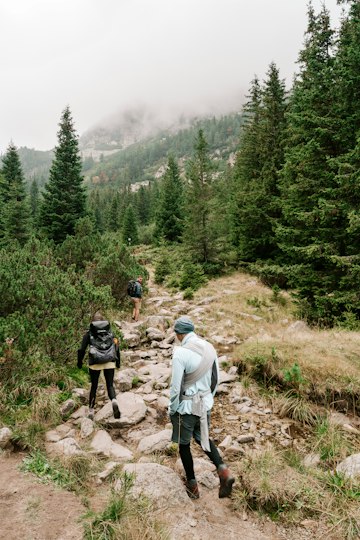
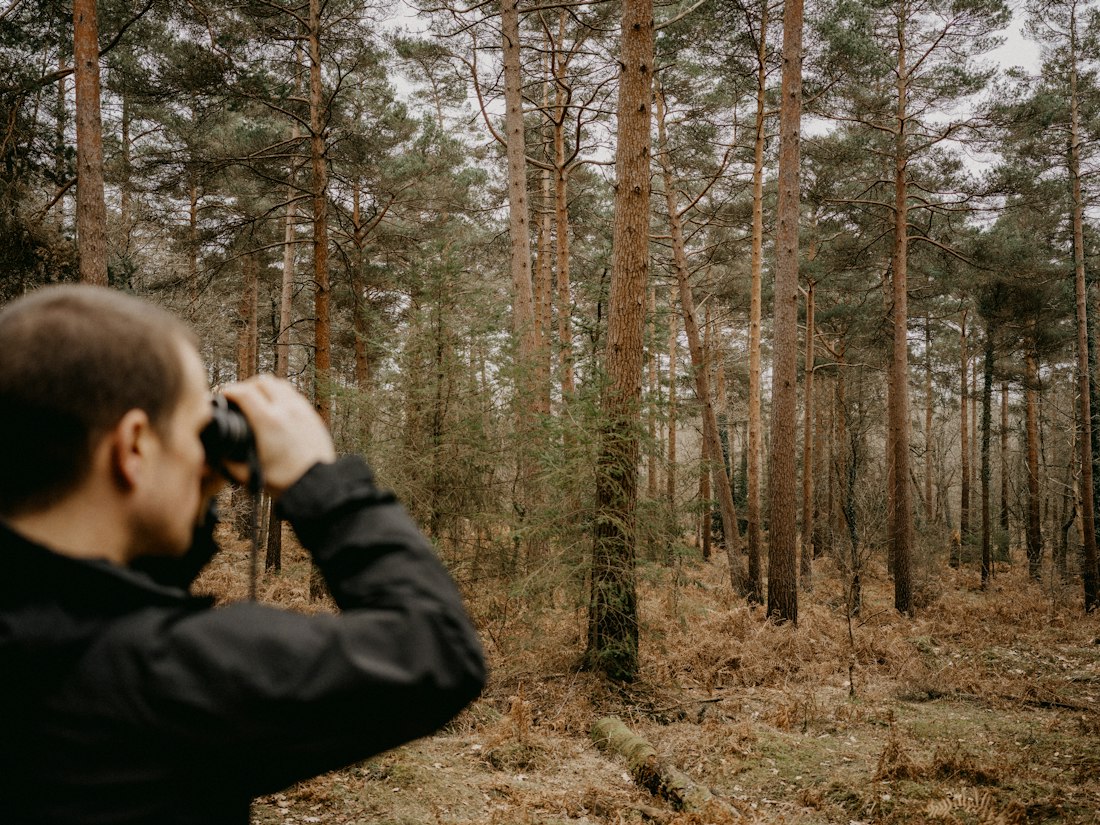
An interesting view can make a few branches seem like a minor inconvenience you could remove. Leave No Trace advises against damaging living trees and plants. Set a simple boundary for observation outings: use existing permitted viewpoints and leave vegetation as it is. The fact that a branch blocks your photograph or binoculars does not create authority to cut, break or tie it aside. A less complete view is still a valid description of what that place allows you to see.
Change the task instead of the site
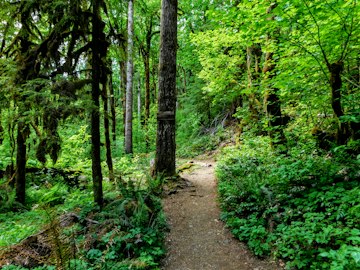
If the view is blocked, record the obstruction as part of the observation. You could study the nearer vegetation, draw the visible landscape or continue on the established route. Choose another legal viewpoint only when it can be reached without entering restricted or fragile ground. Do not create a new path through repeated attempts to find a slightly better angle. The exercise is learning what you can responsibly observe, not proving that every planned subject can be made visible.
Let the notebook include the missing part
A sketch with an unobserved area clearly marked is more honest than a complete picture assembled from guesses. Note why you could not see farther and whether another appropriate season or official viewpoint might answer the question. Avoid promising yourself a return that depends on altering the site. Fieldcraft includes understanding limits. A page that says “view obscured from permitted path” can prevent wasted effort next time without leaving any physical change for the next visitor to encounter.
Leave No Trace: Leave What You Find ↗
This article combines general educational guidance with original planning exercises. It does not claim first-hand field testing or an endorsement from the linked organization. Sources checked October 2026.