Consider the whole scene
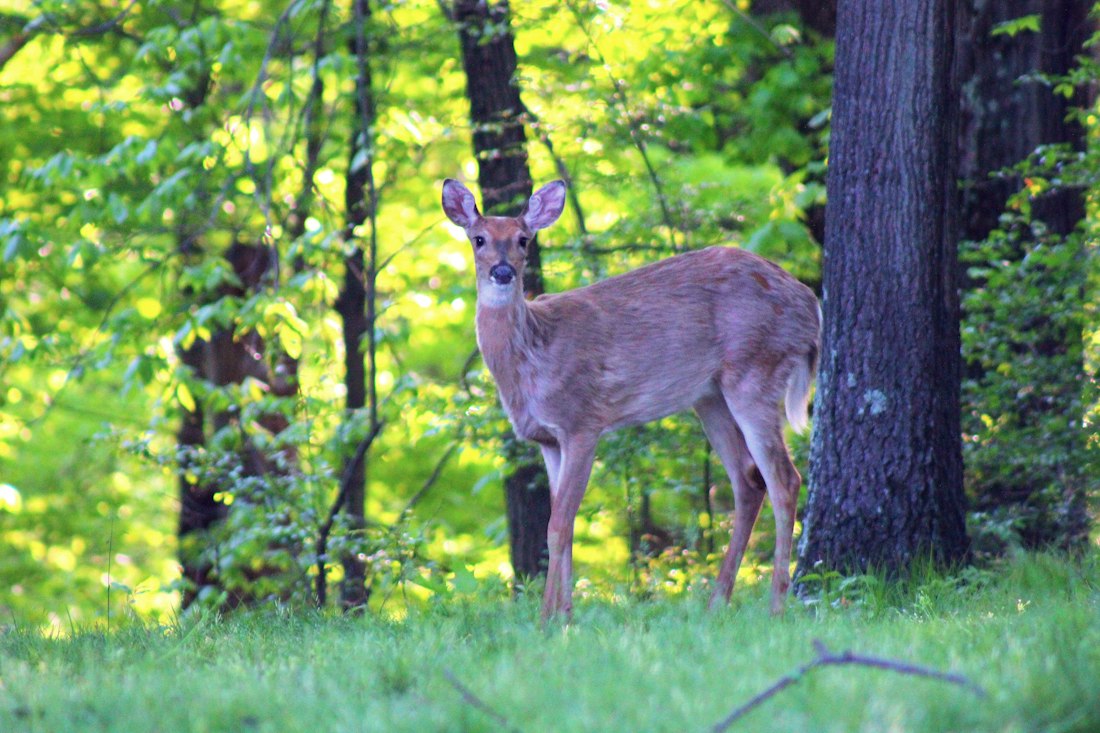
When wildlife appears, notice your position relative to paths, vegetation and other visitors. Follow local distance rules and the land manager’s guidance. NPS wildlife viewing advice stresses giving animals space. Do not treat a permitted viewpoint as permission to stay put regardless of what happens next. An animal may move into the area you planned to observe. Your plan should remain flexible enough to create distance or leave rather than insist that the scene continue on your terms.
Avoid organizing a closer audience
If companions have not noticed the animal, communicate quietly and keep the group together where appropriate. Do not spread out to cover different angles or direct people toward a gap that places them closer. Accept that some members of the group may not get a clear view. A photograph, a species name or the length of a sighting is not a useful measure of whether the encounter was handled thoughtfully. An easy retreat is worth more than an ideal composition.
Write about your decision afterward
Record the observation without turning your response into proof that the animal was unaffected. Describe the practical choice: you stepped back, waited at a distance or left the area. Keep uncertain behavior interpretations out of the account. On later visits, use what you learned about the viewpoint’s limitations to choose a more suitable place or a different activity. The field skill is not merely noticing wildlife. It is allowing new information to change where you stand and how long you remain.
National Park Service: 7 Ways to Safely Watch Wildlife ↗
This article combines general educational guidance with original planning exercises. It does not claim first-hand field testing or an endorsement from the linked organization. Sources checked October 2026.