Inspect together before the trip
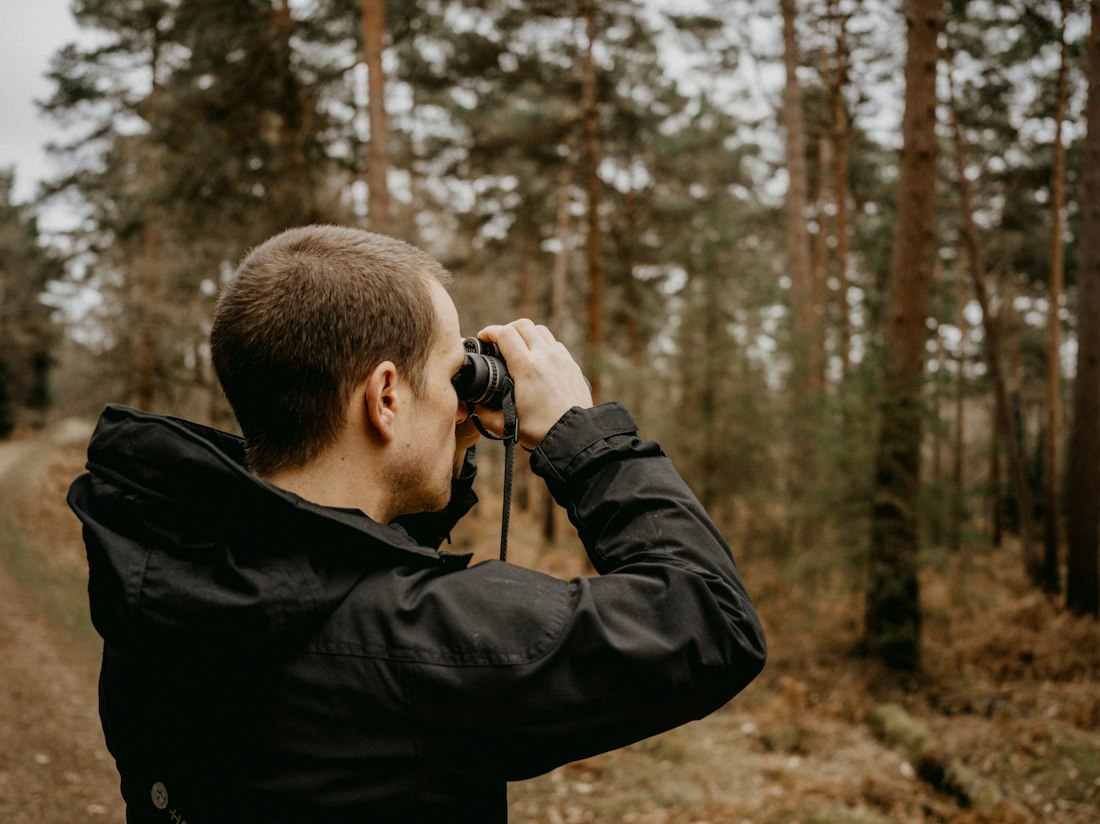
With the owner, identify the model, existing damage, accessories and the correct instructions. Ask which adjustments are normal and which controls should be left alone. NPS recommends viewing wildlife with tools such as binoculars so visitors can maintain distance. A borrowed pair is useful only when you can obtain a comfortable image without repeatedly improvising. Try it on an ordinary distant subject and explain anything you cannot make work. Do not conceal a problem because you feel you should already understand the instrument.
Agree on care in advance
Ask how the owner wants the instrument carried, protected from weather and returned. Follow manufacturer guidance for cleaning; a generous attempt to polish an unfamiliar lens can create a new problem. Confirm what to do if the equipment is damaged. Keep the agreed contact and return arrangements separate from your general outing notes. A clear loan is a practical relationship, not an informal transfer of every maintenance decision to the borrower.
Return the knowledge as well as the object
After the outing, describe any issue that appeared and return all agreed accessories. Do not silently adjust away a fault or replace a missing part with something that merely looks similar. If the binoculars suited you, write down the functional reasons: comfortable fit, manageable case or controls you could operate. That is useful learning whether you borrow again or eventually purchase. A borrowed tool can help establish what you need without making ownership the immediate goal of the exercise.
National Park Service: 7 Ways to Safely Watch Wildlife ↗
This article combines general educational guidance with original planning exercises. It does not claim first-hand field testing or an endorsement from the linked organization. Sources checked October 2026.