Look beyond the packed bag
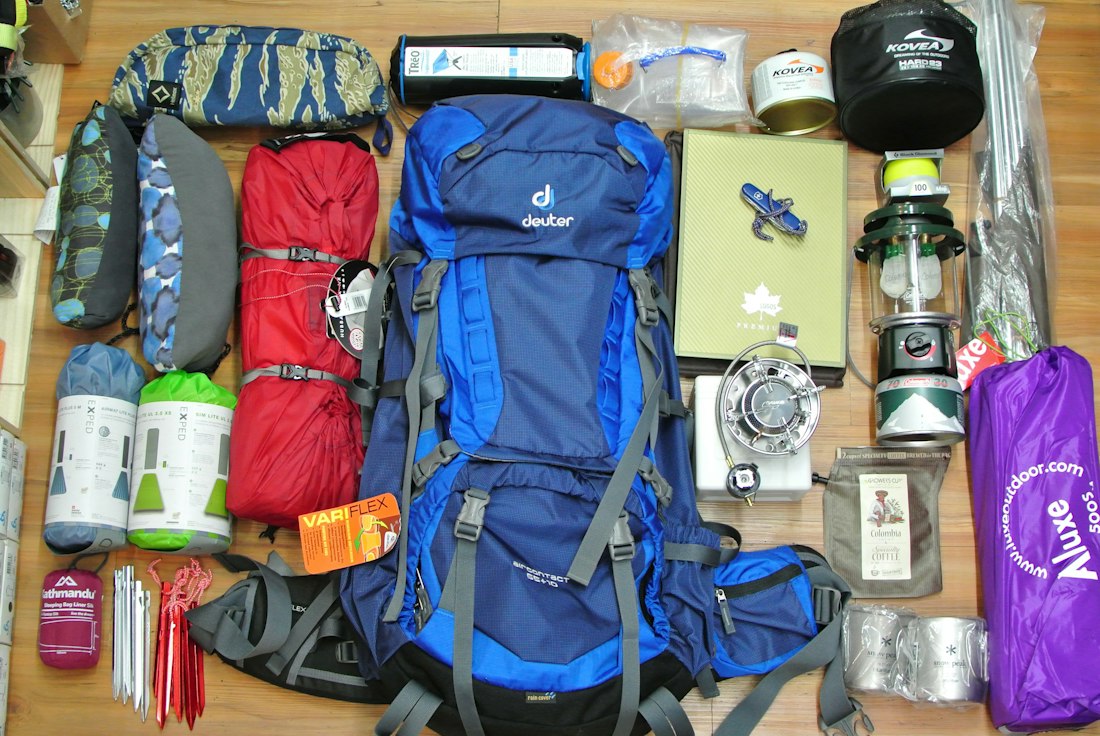
A pack can be ready for a walk while the home routine is unprepared for its return. Choose a place where damp equipment can be unpacked without blocking a doorway or being forgotten in a vehicle. NPS lists extra clothing among outdoor essentials. Keeping those items usable involves care between outings as well as what you carry. Read the care labels for clothing and the instructions for footwear and containers before choosing how to dry them.
Make three temporary groups
At the end of the trip, separate items that are ready to store, items needing ordinary care and items with a fault requiring attention. Give each group a clear place rather than piling everything beside the pack. Open pockets and check small containers for damp contents. Avoid applying heat or cleaning products unless the manufacturer allows them. A slow, appropriate process is preferable to a rapid treatment that damages the very item you are trying to prepare for next time.
Close the process the next day
Set a specific time to check the drying area and finish storage. Temporary piles become permanent when no next action is attached to them. Inspect closures and seams while repacking, and move unresolved faults to the repair note. If an item still needs care, leave its place visibly empty rather than substituting confidence for readiness. This small household system reduces the chance of discovering a wet glove or damaged container only when the next outing is already underway.
National Park Service: Ten Essentials ↗
This article combines general educational guidance with original planning exercises. It does not claim first-hand field testing or an endorsement from the linked organization. Sources checked October 2026.