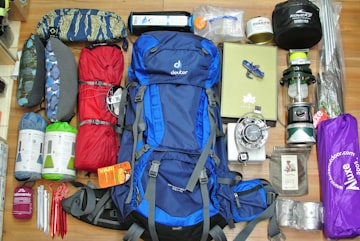
Empty everything onto one surface
Start with the pack you carried, not an idealized inventory. Open every pocket and remove food, rubbish and damp items. Separate consumables, textiles, navigation equipment and tools. Handle any hunting equipment according to the manufacturer's instructions and applicable storage rules. The maintenance process should never compromise safe storage.
Inspect before you shop
Look for problems you can describe: a split seam, damaged buckle, corroded contact or unreliable closure. ‘I need better gear’ is not a diagnosis. Photograph damage, check the care instructions and find out whether a repair is appropriate. Do not repair safety-critical equipment beyond your competence or continue using an item that needs professional assessment.
Write down the real inconvenience
Distinguish equipment failure from a packing problem. If an item worked but was never reachable, changing its location may matter more than replacing it. If something was consistently uncomfortable, note when and under what load. A concrete description gives you a useful question to ask a retailer or repairer.
Store a ready-to-review kit
Dry items thoroughly as their materials require, replace used consumables and store electronics appropriately. Attach a short note with unresolved repairs and expired supplies. Before the next outing, review the kit against that trip's conditions. ‘Packed last season’ should not become an assumption that everything is ready today.
Leave No Trace: plan ahead and prepare ↗
This article combines general educational guidance with original planning exercises. It does not claim first-hand field testing or an endorsement from the linked organization. Sources checked October 2026.