Put the conditions side by side
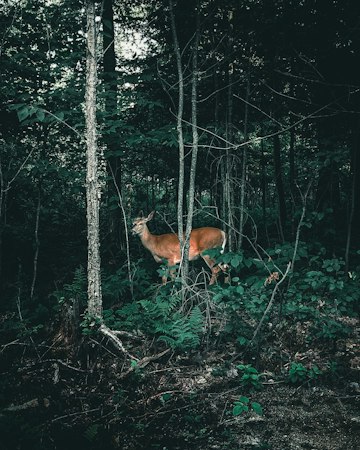
Choose two notes about the same permitted observation area and copy their basic conditions onto one page. Include viewpoint, visibility, duration and any interruptions. Leave No Trace’s wildlife principle supports observation without following or approaching animals. Keep that boundary in the comparison too: a day when you saw more from a fixed viewpoint does not establish that more wildlife was present overall. It establishes what your observation method recorded on that occasion.
Look for unequal opportunities to notice
Ask whether the visits actually offered similar chances to observe the feature you care about. A shorter visit, dense vegetation or a different position can change the result. Mark missing details rather than supplying them from memory. If the two records are too different, describe that limitation and stop the comparison. You may still learn something useful about the notebook itself, such as the need to record viewing duration or distinguish a clear sighting from a tentative identification.
Design a modest follow-up
Choose one uncertainty you can investigate through another appropriate visit or better background information. Avoid adding more detail to every future note simply because one comparison was awkward. The next step should remain manageable and should not require disturbing the place to obtain a cleaner result. Keep the original notes intact. A restrained conclusion such as “visibility differed too much to compare” preserves what you know and gives the next observation a clearer purpose than a dramatic but unsupported seasonal claim.
Leave No Trace: Respect Wildlife ↗
This article combines general educational guidance with original planning exercises. It does not claim first-hand field testing or an endorsement from the linked organization. Sources checked October 2026.