Define what is being protected
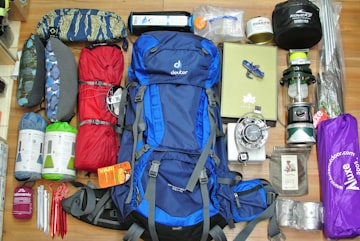
Choose the reserve clothing appropriate to the expected outing and conditions, then decide which items need a protected place. The NPS Ten Essentials includes extra clothing. This packing exercise focuses on keeping that reserve distinct from things already exposed to rain or perspiration. Lay the clothing beside the pack and choose a container suitable for it. Do not assume every pocket or a generic bag is waterproof simply because the outside material looks resistant.
Test the arrangement without sacrificing the layer
Read the container’s instructions and inspect its closures. Pack the dry reserve, then check that you can retrieve it without opening the entire bag into weather. Use a home rehearsal to discover whether another item blocks access. Keep wet equipment out of the same protected space. If the system depends on folding or closing the container in a particular way, practise that method. A protective container cannot help if its closure is consistently rushed or overfilled.
Restore separation after use
After the trip, unpack promptly and care for clothing and containers according to their instructions. A layer that was used is no longer automatically a clean, dry reserve. Return it to readiness only after checking its condition. Record any real limitation, such as a closure that was awkward with gloves or a container that occupied too much space. The answer might be a packing change rather than a purchase. Keep the aim specific: usable clothing at the moment you need it.
National Park Service: Ten Essentials ↗
This article combines general educational guidance with original planning exercises. It does not claim first-hand field testing or an endorsement from the linked organization. Sources checked October 2026.