Choose a fixed viewpoint
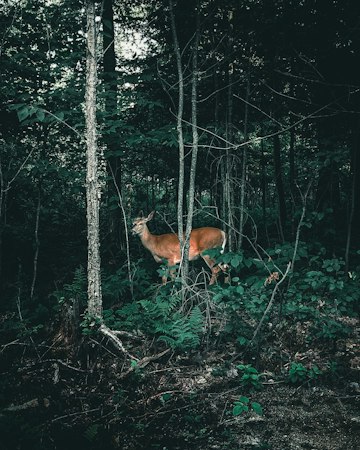
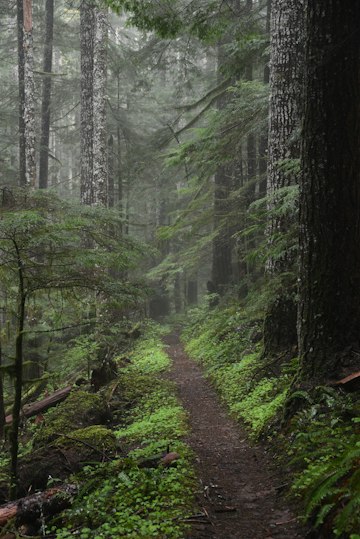
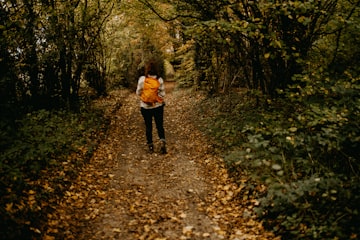
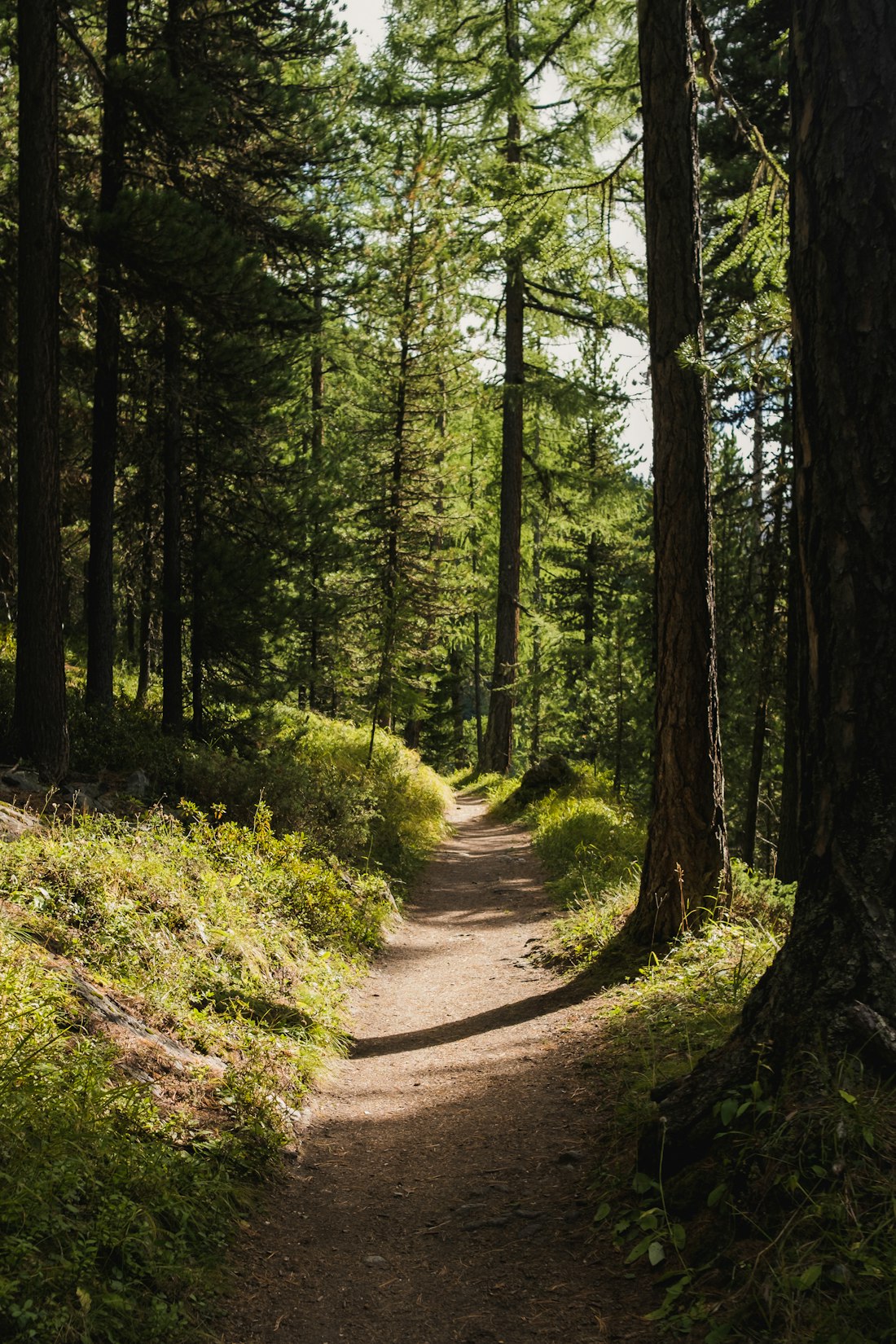
Find a permitted place where you can see a transition between vegetation types without trampling into it. Give the viewpoint a simple identifier in your private notes. Sketch the visible boundary, including gaps in your view. Leave No Trace asks visitors not to approach or follow wildlife. Build that restraint into the exercise: the subject is what you can observe from this position, not what a closer search might reveal. A quiet absence is an acceptable result.
Describe structure before interpretation
Write a few plain descriptions: low vegetation beside tall trees, a shaded strip, or a break you could not see beyond. Avoid deciding that every opening is a travel route. If you see wildlife, note where it was visible and what it did during the observation. Do not extend the movement into a story about where it came from or where it always goes. A simple drawing can preserve the limited shape of the evidence better than an impressive paragraph.
Repeat with a comparison in mind
A later legal visit can use the same viewpoint and a similar observation period. Record changed visibility, your position and the time available. Compare what was observable rather than ranking the visits by excitement. If disturbance, closures or sensitive wildlife activity make the viewpoint inappropriate, abandon the comparison. The useful skill is learning to describe a landscape precisely. It can improve route discussions and notebook entries even when it does not produce a prediction about a future hunt.
Leave No Trace: Respect Wildlife ↗
This article combines general educational guidance with original planning exercises. It does not claim first-hand field testing or an endorsement from the linked organization. Sources checked October 2026.